Archives
- 2026-04
- 2026-03
- 2026-02
- 2026-01
- 2025-12
- 2025-11
- 2025-10
- 2025-09
- 2025-03
- 2025-02
- 2025-01
- 2024-12
- 2024-11
- 2024-10
- 2024-09
- 2024-08
- 2024-07
- 2024-06
- 2024-05
- 2024-04
- 2024-03
- 2024-02
- 2024-01
- 2023-12
- 2023-11
- 2023-10
- 2023-09
- 2023-08
- 2023-06
- 2023-05
- 2023-04
- 2023-03
- 2023-02
- 2023-01
- 2022-12
- 2022-11
- 2022-10
- 2022-09
- 2022-08
- 2022-07
- 2022-06
- 2022-05
- 2022-04
- 2022-03
- 2022-02
- 2022-01
- 2021-12
- 2021-11
- 2021-10
- 2021-09
- 2021-08
- 2021-07
- 2021-06
- 2021-05
- 2021-04
- 2021-03
- 2021-02
- 2021-01
- 2020-12
- 2020-11
- 2020-10
- 2020-09
- 2020-08
- 2020-07
- 2020-06
- 2020-05
- 2020-04
- 2020-03
- 2020-02
- 2020-01
- 2019-12
- 2019-11
- 2019-10
- 2019-09
- 2019-08
- 2019-07
- 2019-06
- 2019-05
- 2019-04
- 2018-07
-
The two most important biological machineries
2019-09-23
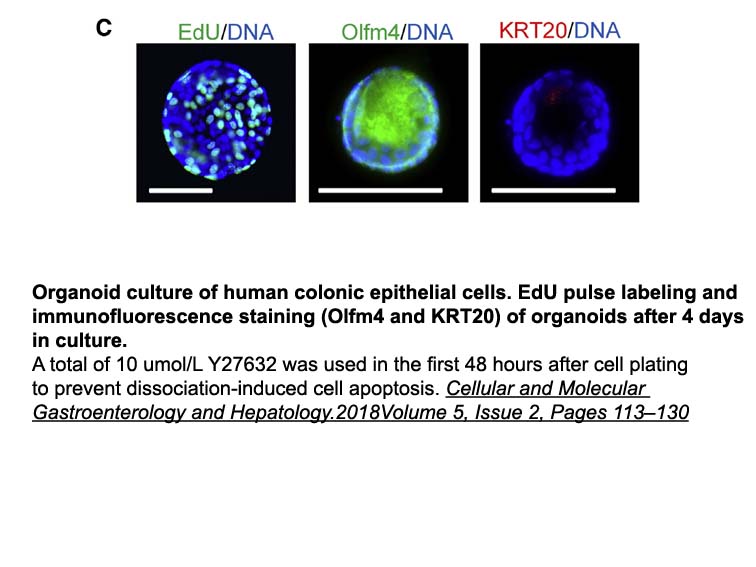
The two most important biological machineries controlling proteostasis, PQC, and degradation are autophagy and the ubiquitin-proteasome system (UPS) (). Autophagy is a lysosome-dependent, tightly regulated catabolic process that degrades unwanted cell organelles and cytoplasmic constituents in lysos
-
It was reported that the expressions of DPP and
2019-09-23
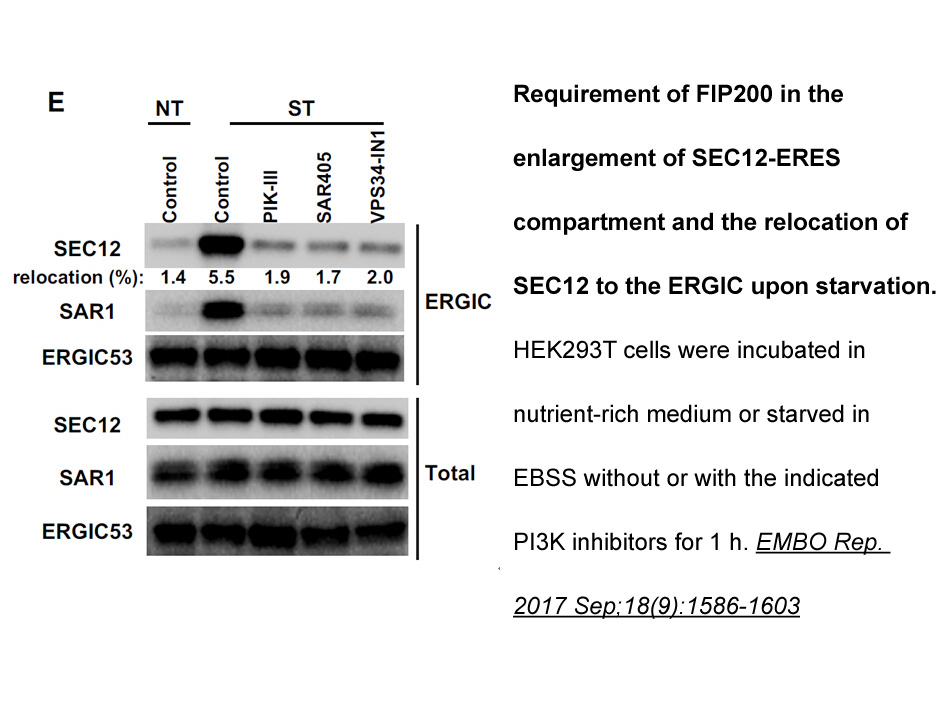
It was reported that the expressions of DPP-4 and SDF-1α increase through HIF-1α [27], [28]. Myocardial ischemia by MI enhanced the DPP-4 and SDF-1α levels in myocardium in the present study. SDF-1α is released from cardiomyocytes and has beneficial effects on cardiomyocytes through SDF-1α/CXCR4 aft
-
Interestingly all three lesions that significantly inhibited
2019-09-23

Interestingly, all three lesions that significantly inhibited transcription – CPD, εA and the AP site, – promoted insertion of 90 and residues opposite the damaged nucleotide. Thus, bacterial RNAP seems to follow the so-called ‘A-rule’ for incorporation of nucleotides opposite AP-sites and bulky les
-
br Material and methods br Results br Discussion
2019-09-23
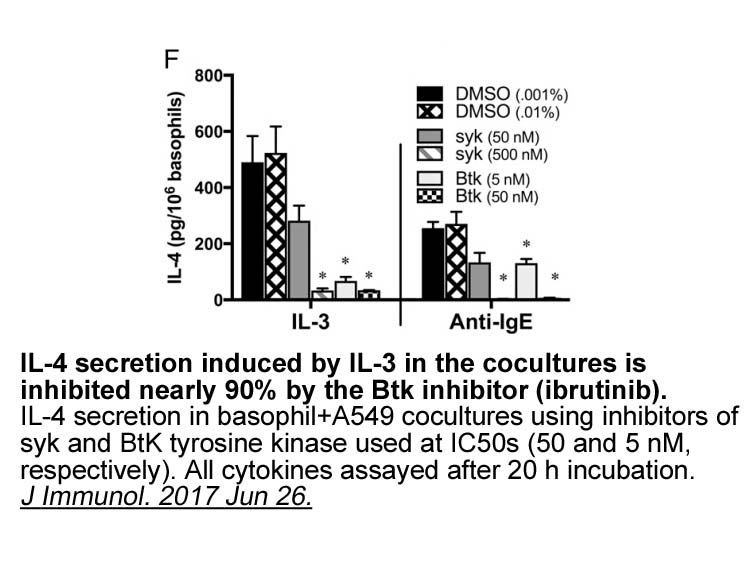
Material and methods Results Discussion Ligase IV is essential for the final ligation of DSBs through the NHEJ pathway. Its co-factor, XRCC4, has been shown to be important for increasing its activity and stability. Interaction between these two factors have been mapped to the linker region
-
Most data regarding fish CXCR functions have accumulated
2019-09-23
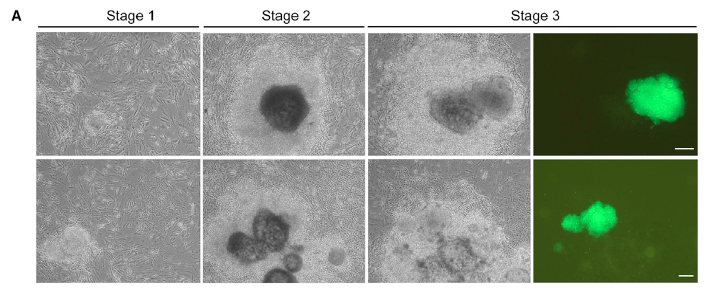
Most data regarding fish CXCR4 functions have accumulated from work in zebrafish where a range of genetic tools and imaging technologies have been developed. As mentioned above, in teleost fish the two CXCR4s (CXCR4a and 4b) are assumed to interact with two ligands (CXCL12a and 12b) and this differe
-
Coumarins also known as benzopyran
2019-09-23
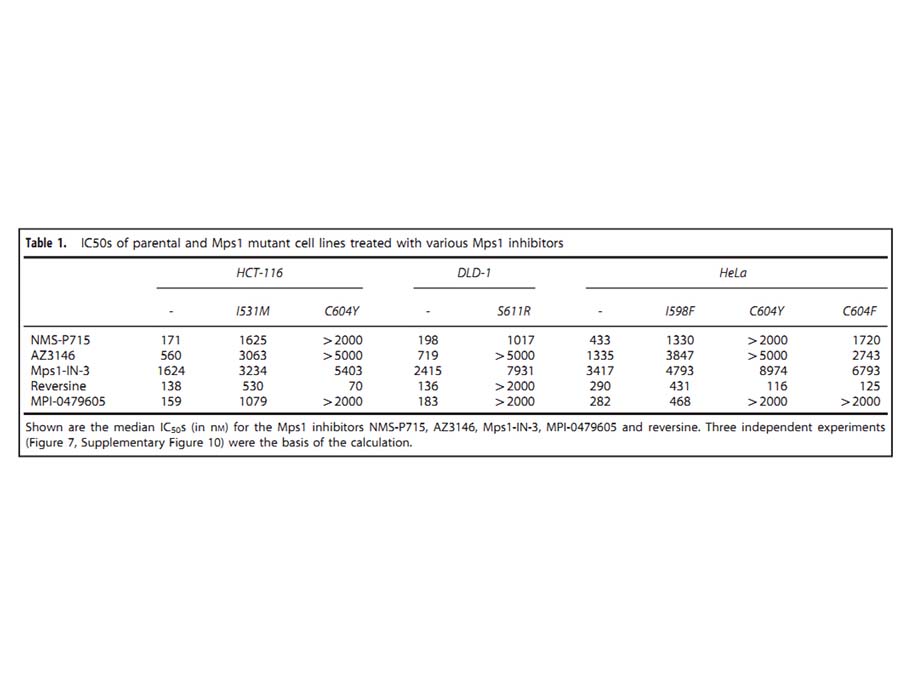
Coumarins also known as benzopyran-2-ones are a family of nature-occurring lactones first isolated from Tonka beans in 1820. They are an important class of oxygen containing heterocycles widely found in nature, so much so that they have been routinely employed as herbal remedies since early days. Ov
-
The associations between genetic factors and socio emotional
2019-09-23
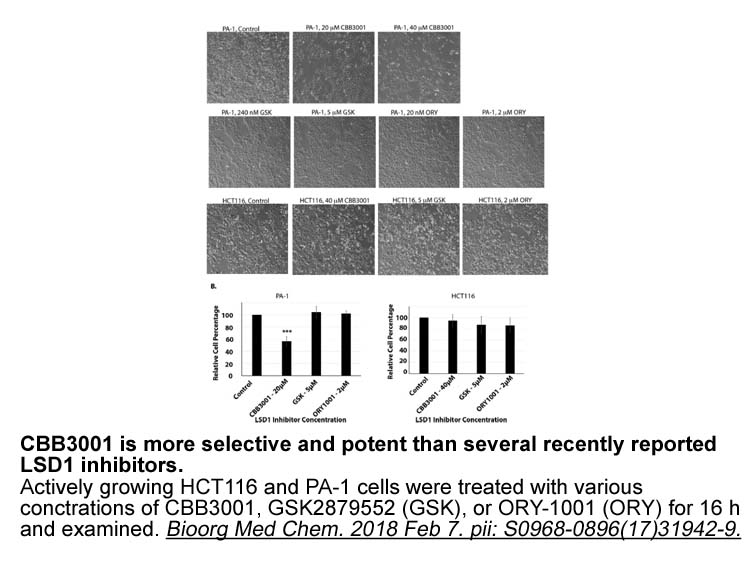
The associations between genetic factors and socio-emotional functioning are complex and almost certainly not direct. They are mediated through a variety of developmental processes including individual differences in personality traits (Davis and Loxton, 2013, Saphire-Bernstein et al., 2011). For th
-
Hymenialdisine the most potent inhibitor of
2019-09-23
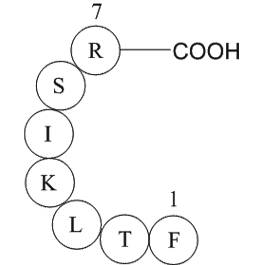
Hymenialdisine, the most potent inhibitor of parasite TgCK1 enzymes in vitro has no whole cell anti-parasitic activity (Table 2). Like purvalanol B however, this IL-2, human recombinant and also displays poor activity against target enzymes in cultured cells. For example, in vitro IC50 values for i
-
For this reason downstream components of the inflammatory pa
2019-09-23
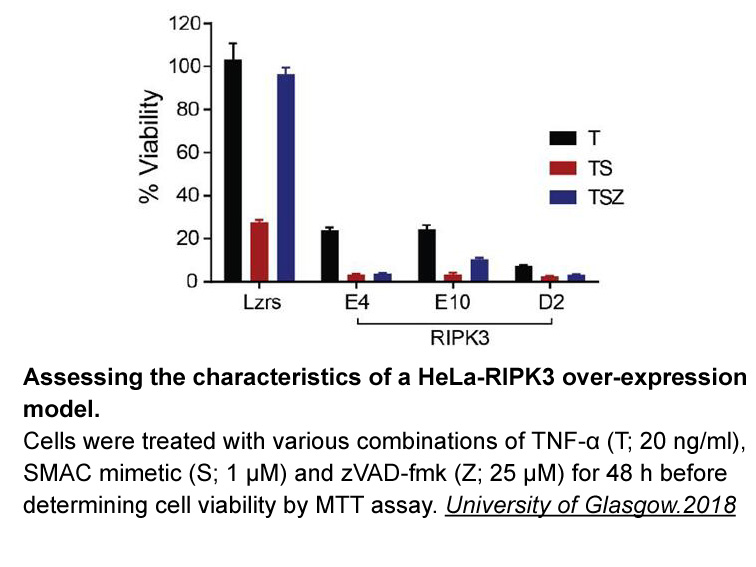
For this reason, downstream components of the inflammatory pathway have been investigated in the search for alternative targets. Targeting such downstream elements might result in safer and more tolerable analgesics. PGE mediates its effects through binding to four G-protein-coupled receptors (EP1-4
-
br Acknowledgements This research was
2019-09-23

Acknowledgements This research was supported by Slovenian Research Agency (ARRS). We thank prof. R. Marinšek Logar for helpful advice, Dr. T. Kranjc for help with data management, N. Vrhovnik and G. Lavrič for technical help with preliminary growth experiments and dr. J. Burkeljca for help with g
-
Illumina for 1 ng DNA pathway The component E of PDHc PDHc E
2019-09-23
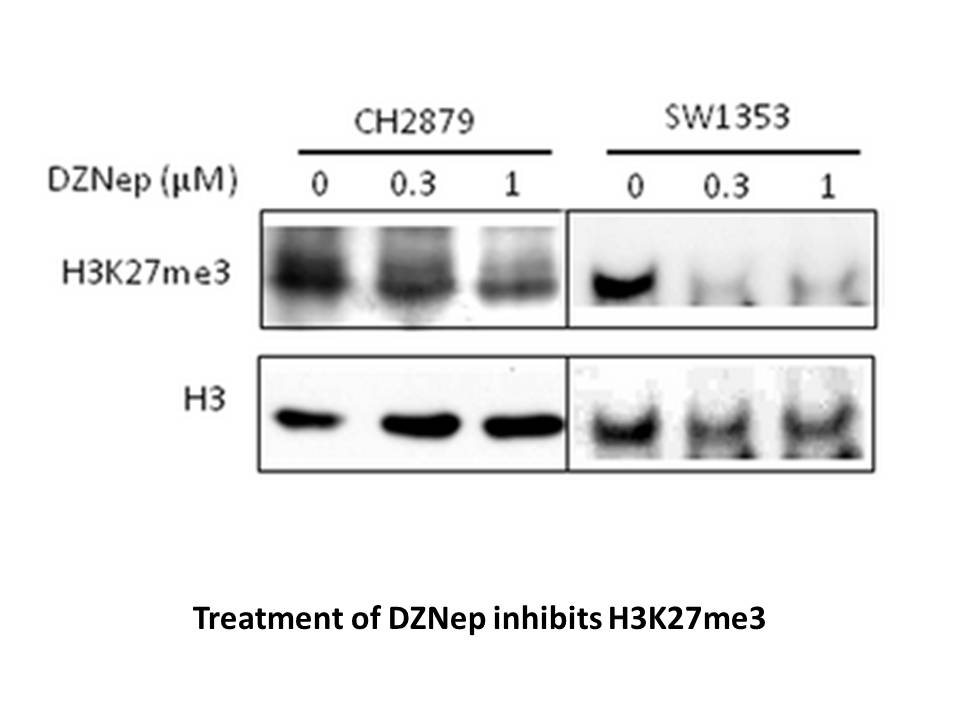
The component E1 of PDHc (PDHc-E1) catalyzes the first step of multistep processes, using thiamine diphosphate (ThDP) and Mg2+ as cofactors.15, 16 Especially, this PDHc-E1 catalyzed process is a rate limiting step among multistep processes. Accordingly, the PDHc should be inactive by inhibiting the
-
Magnified regions of the upregulated
2019-09-21
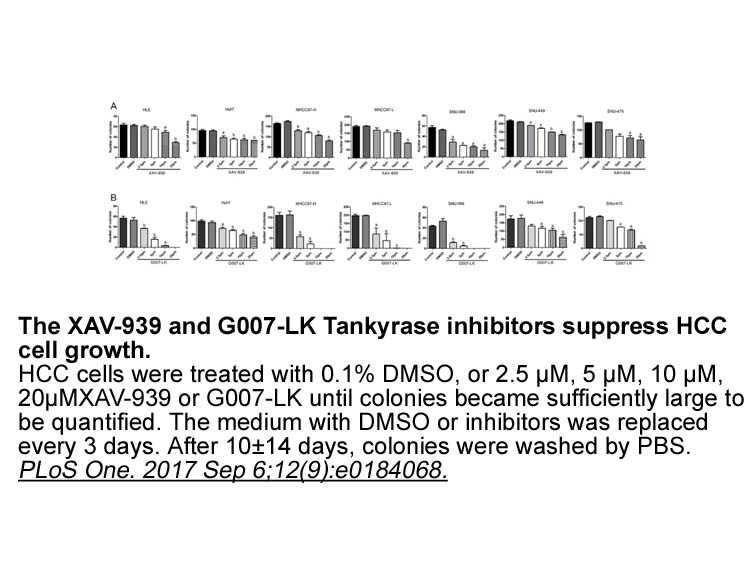
Magnified regions of the upregulated proteins identified by MALDI-TOF are shown in Fig. 2. The identified proteins were phosphoglycerate kinase, fructose-bisphosphate aldolase class II, alcohol dehydrogenase, phosphoglyceromutase, 6-phosphogluconolactonase, malate dehydrogenase, alkyl hydroperoxide
-
Introduction Ewing sarcomas primitive neuroectodermal tumors
2019-09-21
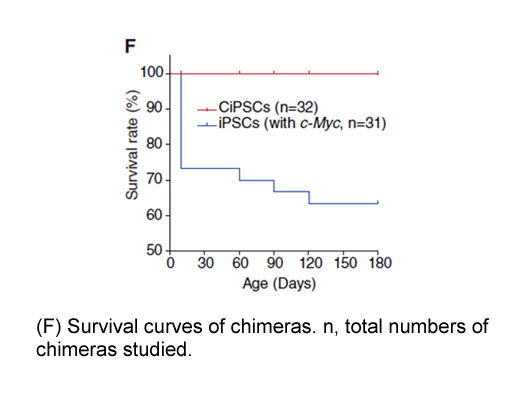
Introduction Ewing sarcomas/primitive neuroectodermal tumors (ES/PNETs) are relatively infrequent but the second most common sarcoma of the bone next to osteosarcoma. Nearly 80% of them occur in persons younger than 20years. Most of them arise from the bone, but 10 to 20% of them from soft tissue.
-
In this paper we report the synthesis and
2019-09-21
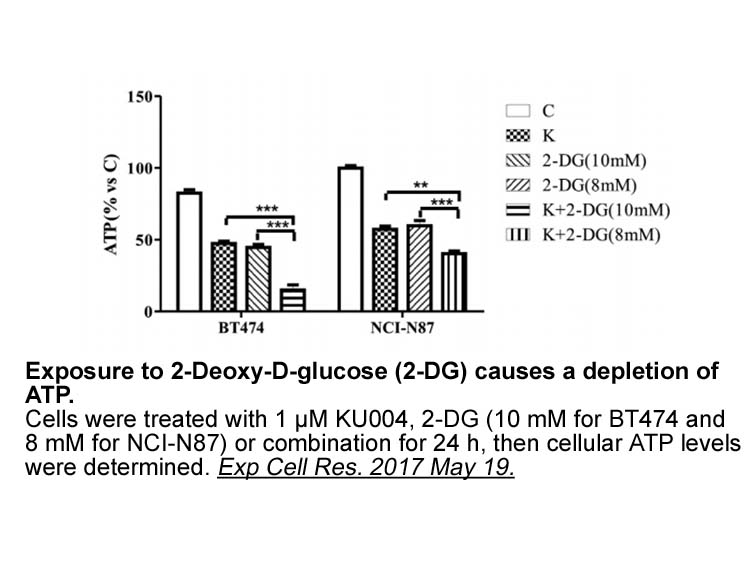
In this paper, we report the synthesis and microbiological evaluation of a series of novel chromogenic sugar-based enzyme substrates based upon catechol, 2,3-dihydroxynaphthalene and 6,7-dibromo-2,3-dihydroxynaphthalene 9 cores (Fig. 1).14, 15 2,3-Dihydroxynaphthalene is inexpensive and available in
-
While agnathans appear to have reduced
2019-09-21
While agnathans appear to have reduced their Ednr repertoire to the Ednra gene (that may have been amplified in the Arctic lamprey), gnathostomes in general have been relatively inert to Ednr gene loss. Strikingly, the only Ednr gene that has been lost repeatedly is EdnrB2 (lost in therian mammals,
15910 records 982/1061 page Previous Next First page 上5页 981982983984985 下5页 Last page