Archives
- 2026-04
- 2026-03
- 2026-02
- 2026-01
- 2025-12
- 2025-11
- 2025-10
- 2025-09
- 2025-03
- 2025-02
- 2025-01
- 2024-12
- 2024-11
- 2024-10
- 2024-09
- 2024-08
- 2024-07
- 2024-06
- 2024-05
- 2024-04
- 2024-03
- 2024-02
- 2024-01
- 2023-12
- 2023-11
- 2023-10
- 2023-09
- 2023-08
- 2023-06
- 2023-05
- 2023-04
- 2023-03
- 2023-02
- 2023-01
- 2022-12
- 2022-11
- 2022-10
- 2022-09
- 2022-08
- 2022-07
- 2022-06
- 2022-05
- 2022-04
- 2022-03
- 2022-02
- 2022-01
- 2021-12
- 2021-11
- 2021-10
- 2021-09
- 2021-08
- 2021-07
- 2021-06
- 2021-05
- 2021-04
- 2021-03
- 2021-02
- 2021-01
- 2020-12
- 2020-11
- 2020-10
- 2020-09
- 2020-08
- 2020-07
- 2020-06
- 2020-05
- 2020-04
- 2020-03
- 2020-02
- 2020-01
- 2019-12
- 2019-11
- 2019-10
- 2019-09
- 2019-08
- 2019-07
- 2019-06
- 2019-05
- 2019-04
- 2018-07
-
Although it is mainly a glial protein of
2022-01-17
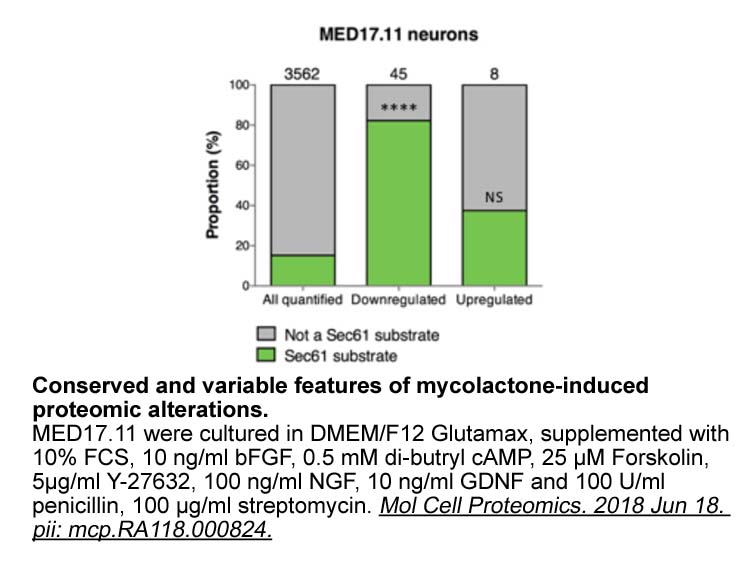
Although it is mainly a glial protein, 5–10% of total GLT-1 represents a neuronal form located at presynaptic terminals, but its physiological role remains elusive (for discussion, see (Rimmele and Rosenberg, 2016)). Nevertheless, this amount might be significant since GLT-1 has been estimated to be
-
Activation of FXR or TGR inhibits inflammatory response via
2022-01-17
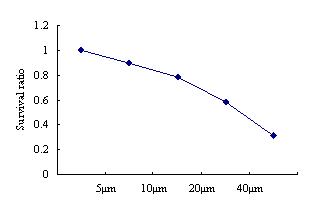
Activation of FXR or TGR5 inhibits inflammatory response via repressing NF-κB activity [1]. FXR is not expressed or expressed at a very low level in macrophages [45] (data not shown), but highly expressed in hepatocytes. In contrast, TGR5 is expressed in macrophages but not in hepatocytes. Our data
-
br Materials and methods br Acknowledgments We
2022-01-17
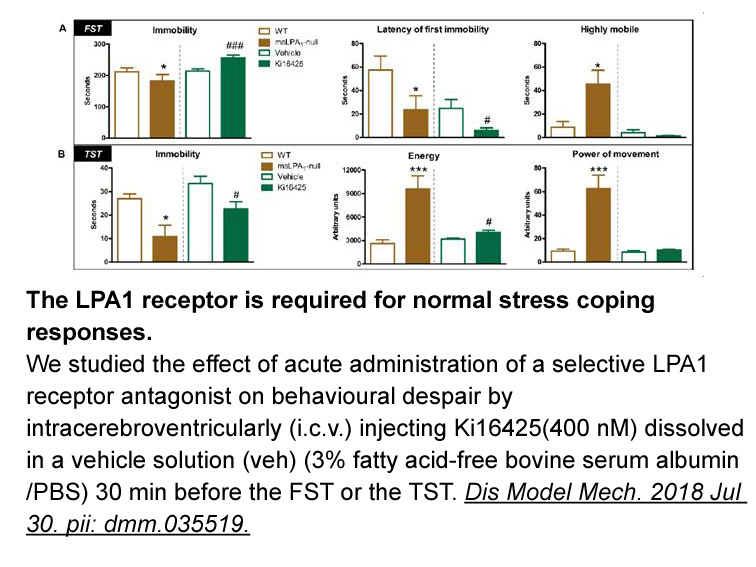
Materials and methods Acknowledgments We are grateful for financial support from the National Natural Science Foundation of China (Grants No. 81661148046 and 81773762, China) and the “Personalized Medicines—Molecular Signature-based Drug Discovery and Development”, Strategic Priority Research
-
br Results and discussion br Conclusions
2022-01-17
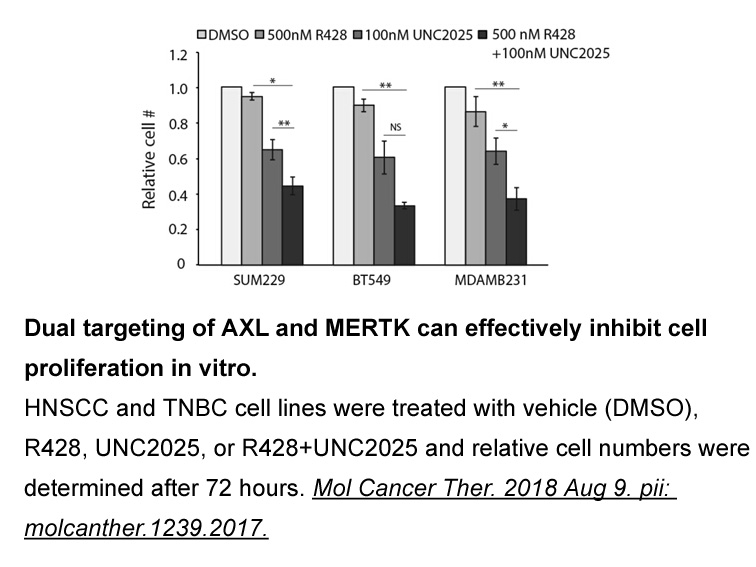
Results and discussion Conclusions As described above, the SAR study based on compound 1 led to the identification of compound 4 as an ideal inhibitor. An enzyme level investigation showed that 4 is a more potent and selective FGFRs tyrosine kinase inhibitor than is Ponatinib. In addition, the
-
Due to the presence of all FGFRs in the epithelium
2022-01-17

Due to the presence of all FGFRs in the epithelium, there are several FGFs ligands that could be binding to these FGF receptors, namely FGFs 1–4, 8–10, 16 and 18–20. By evaluating the known roles of FGFs in epithelial-mesenchymal interactions and in bone development, this list can be reduced. For ex
-
Bialaphos sodium salt br Molecular mechanisms and pathways f
2022-01-17

Molecular mechanisms and pathways for ferroptosis regulation As to the regulation of lipid peroxidation, iron and related ROS metabolism involved in ferroptosis, many molecular mechanisms and pathways have been presented. It is generally believed that cystine/glutamate antiporter system Xc−, GPX4
-
Decoquinate More specific quantitative assays for DiXaIs are
2022-01-15
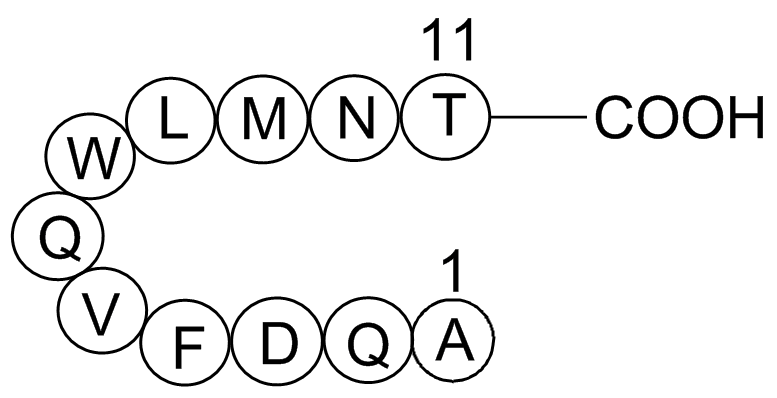
More specific quantitative assays for DiXaIs are based on the inhibition of chromogenic or clotting activity of Factor Xa. During drug development, Kubitza developed an endogenous Anti-Factor Xa assay [45], which is very sensitive to Rivaroxaban drug concentration. This assay was based on Factor Xa
-
br Experimental procedures br Results Hdc KO mice show
2022-01-15
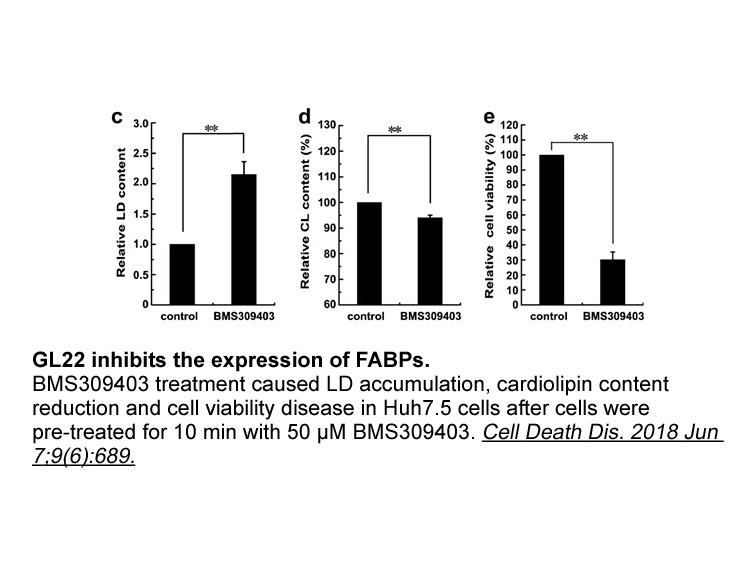
Experimental procedures Results Hdc-KO mice show basal activation of the MAPK and AKT/GSK3β pathways in the dorsal striatum (Rapanelli et al., 2014). These signaling pathways are differentially regulated by the H3 receptor in dMSNs and iMSNs in wild-type mice (Rapanelli et al., 2016). To bette
-
br Conclusion Interactions between neurons and astrocytes
2022-01-15
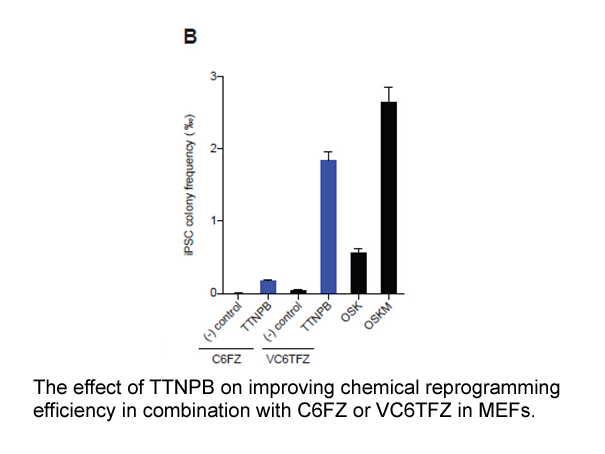
Conclusion Interactions between neurons and astrocytes depend on the spatial configuration of their contacts. Therefore, changes of astrocyte morphology may impact various physiological mechanisms ranging from glutamate uptake and potassium homeostasis to modulation of synaptic transmission and p
-
br Conclusion br Conflict of interest statement br Acknowled
2022-01-15
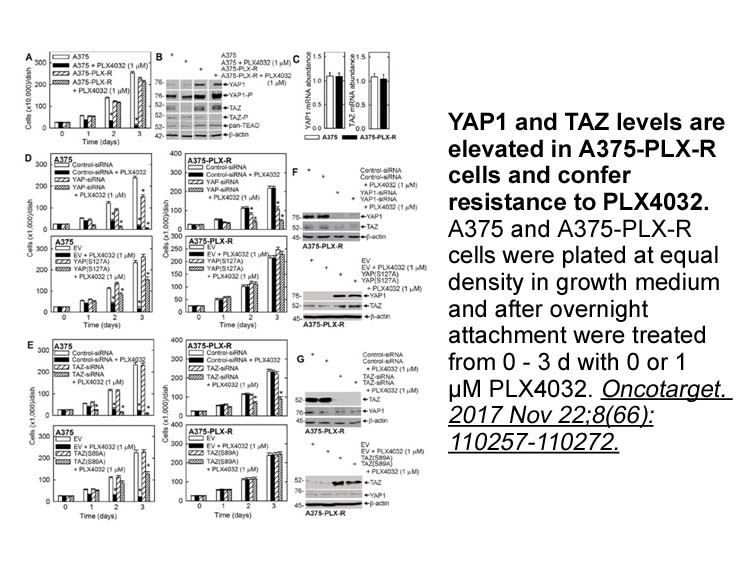
Conclusion Conflict of interest statement Acknowledgements This work was supported by the National Science Foundation (MCB-1817417 to S.D.) and National Institutes of Health (R01-GM72711 to A.C.D.). We thank members of the Delaney laboratory for careful reading of the manuscript and helpful
-
Accordingly a bioassay guided approach was been
2022-01-15
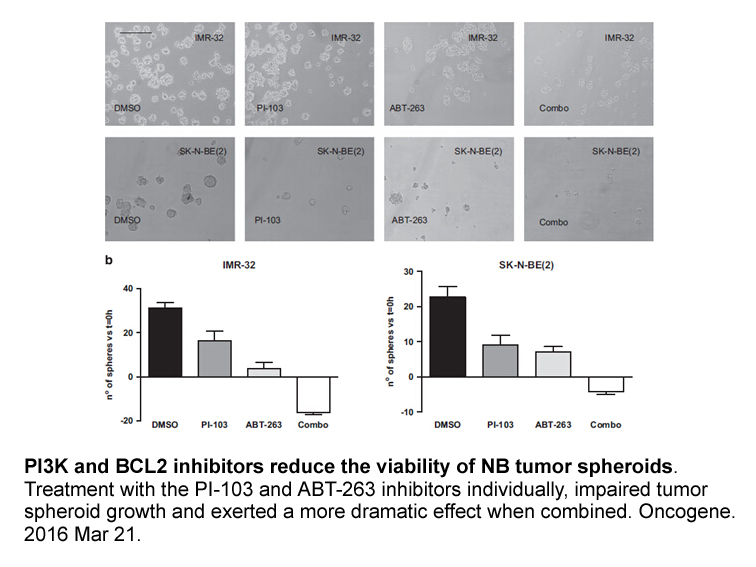
Accordingly, a bioassay-guided approach was been used to study the bioactive compounds in VAS contribute to the α-glucosidase inhibitory and antioxidant activity. The 95% ethanol extraction of VAS was successively partitioned with petroleum ether, ethyl acetate and n-butanol. Ethyl acetate fraction
-
Here we studied GLUT targeted
2022-01-15
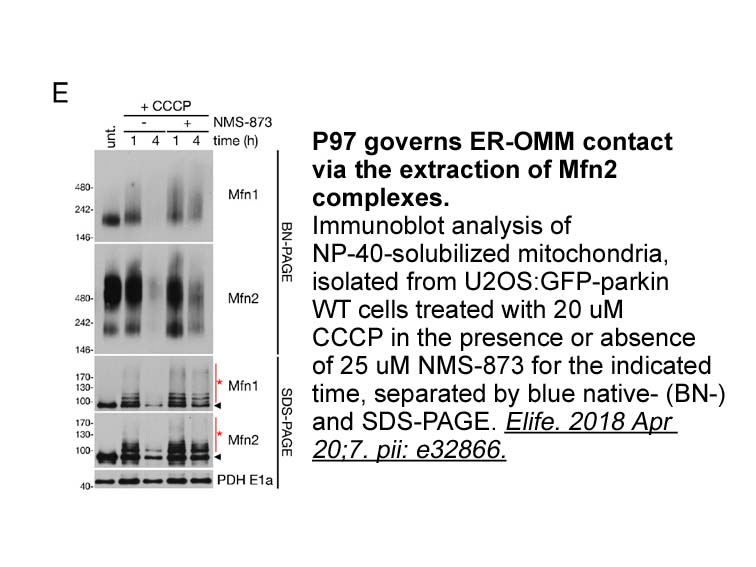
Here, we studied GLUT1-targeted nanomedicines as a new strategy directed to overcome vascular barrier, enhancing delivery and efficacy in solid tumors. These nanomedicines were prepared by controlled installation of glucose on polymeric micelles incorporating the antitumor agent cisplatin, which is
-
VX-702 Another key component of proper DA cell physiology is
2022-01-15
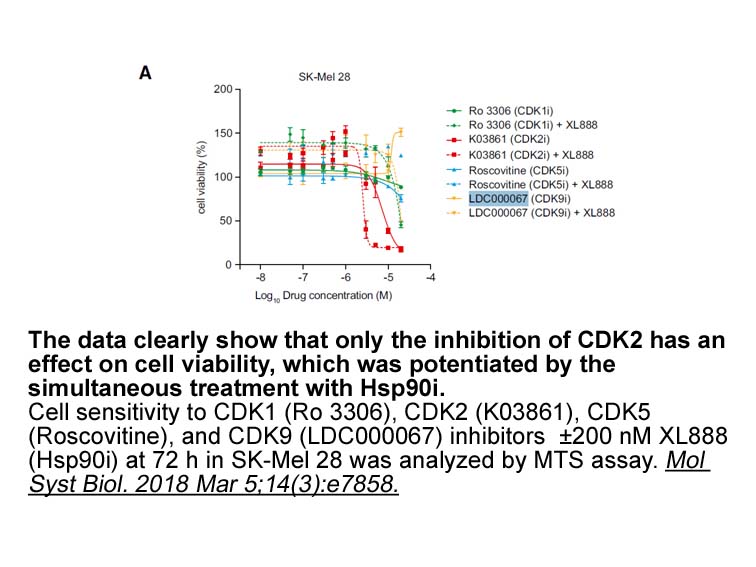
Another key component of proper DA cell physiology is the basal firing activity of SN DA neurons, which maintains extracellular levels of dopamine in the dorsal striatum that are essential for voluntary movement [106]. Changes in SN DA neuron activity directly impacts the amount of dopamine released
-
Among sensitizers tested in the previous study
2022-01-15
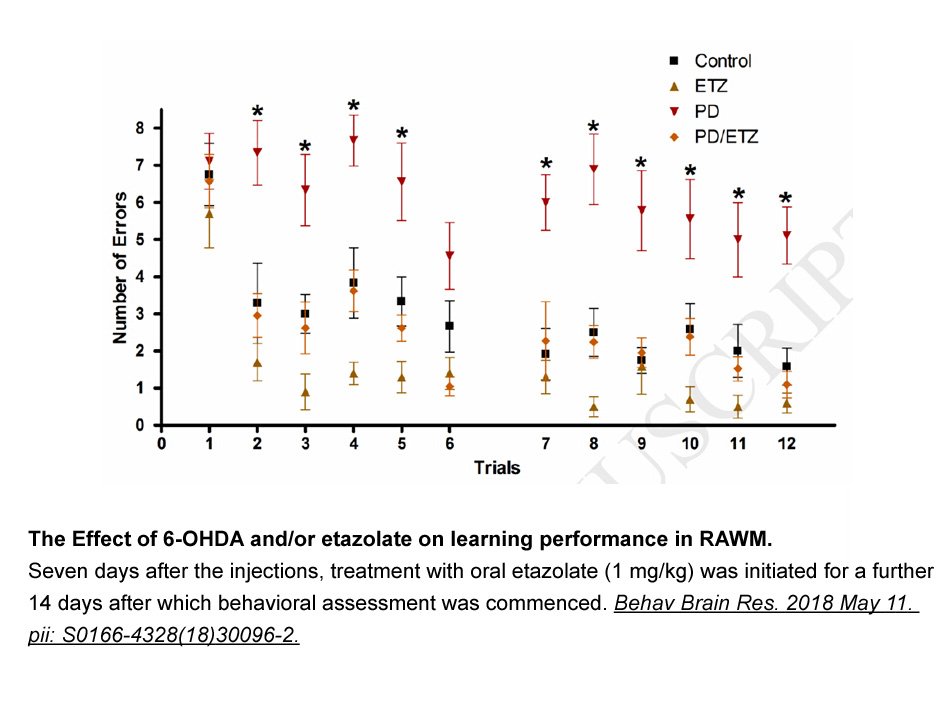
Among 22 sensitizers tested in the previous study, six test chemicals were pre- or pro-haptens (Nepal et al., 2018a). Among 6 chemicals, hydroquinone and 2-aminophenol, strong sensitizers, were falsely classified as non-sensitizers due to the lack of metabolic activation (Nepal et al., 2018a). Liter
-
br FPRs regulate anti microbial responses The
2022-01-14
FPRs regulate anti-microbial responses The classic evidence supporting FPR as an anti-microbial receptor is that bacteria are the major biological source of chemotactic formyl peptides, fMLF binds to FPR and fMLF activates chemotactic and anti-microbial responses in neutrophils 2., 3.. Recently,
15921 records 519/1062 page Previous Next First page 上5页 516517518519520 下5页 Last page